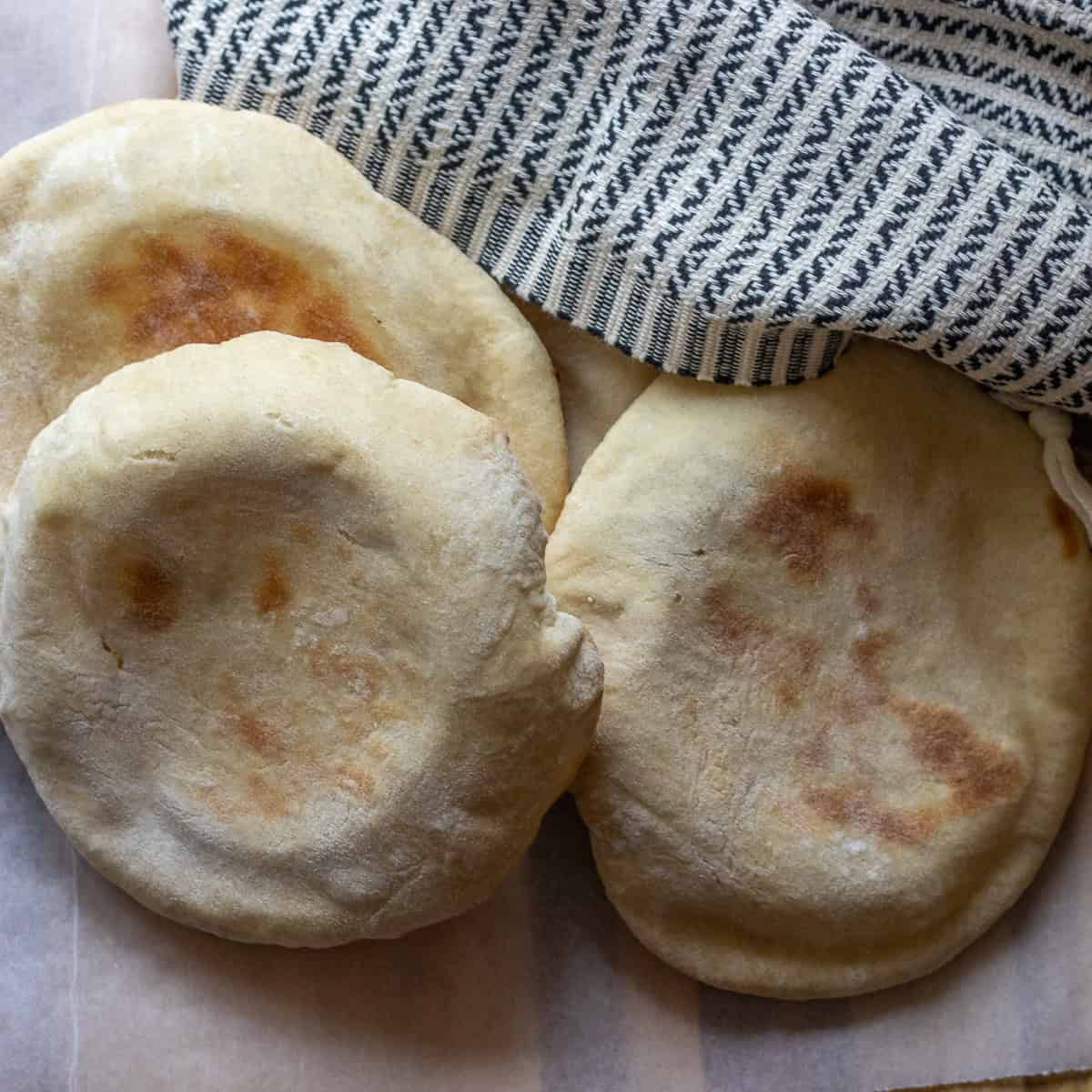
Unlock Soft, Chewy Laffa Bread: Your Ultimate Stovetop Guide
Imagine a warm, pillowy flatbread, fresh off a sizzling hot pan, boasting a perfect chew and subtle smoky notes. That’s the magic of Laffa bread, a true delight from the Middle East that has captured hearts (and palates) worldwide. If you've ever experienced "bread-love at first bite," Laffa is likely to evoke that same feeling. Resembling a thicker, more flavorful cousin to pita or naan, this versatile flatbread offers an irresistible elasticity and a depth of taste that makes it hard to stop at just one.
The beauty of Laffa lies not just in its exquisite taste but also in its surprising simplicity. You don't need a special oven or an open flame to create authentic, delicious Laffa. In fact, learning how to make laffa bread recipe right on your kitchen stovetop is incredibly easy and rewarding. Using just a few basic ingredients that you likely already have in your pantry, you can transform humble flour, water, yeast, oil, salt, and a touch of sugar into a culinary masterpiece. Get ready to impress your family and friends with this homemade marvel that promises to be a staple in your kitchen!
What Makes Laffa Bread So Irresistible?
Laffa bread, often referred to as Iraqi or Israeli flatbread, is more than just a side dish; it's a culinary foundation. Its origins are deeply rooted in Middle Eastern cuisine, where it serves as the perfect accompaniment to a vast array of dishes. Locals commonly use Laffa to wrap succulent meats like kebabs and shawarma, transforming simple ingredients into a satisfying, portable meal. Its robust texture holds up beautifully to moist fillings, while its mild, yeasty flavor complements virtually anything.
What sets Laffa apart is its distinctive texture: it's wonderfully chewy yet incredibly soft, with a slight elasticity that gives it character. Unlike some other flatbreads, Laffa develops beautiful, rustic scorch marks when cooked on a very hot surface, imparting a unique flavor profile that's both slightly smoky and incredibly appetizing. While traditionally served with savory Middle Eastern fare like creamy hummus, baba ghanoush, or vibrant salads, Laffa's versatility knows no bounds. We’ve even seen it slathered with peanut butter for a quick, comforting snack, showcasing its adaptability from savory to sweet. Once you discover how to make laffa bread recipe, you'll find endless ways to enjoy it.
The Essential Ingredients for Homemade Laffa
Remarkably, the foundation for countless breads, crackers, and tortillas—including our beloved Laffa—stems from the same core set of ingredients. For this delightful stovetop Laffa, you’ll need:
- All-Purpose Flour: The primary structure of your bread. While specialty flours can be experimented with, good old all-purpose flour works wonderfully for a soft and chewy texture.
- Active Dry Yeast: The leavening agent that gives Laffa its characteristic rise and airy texture. Ensure your yeast is fresh and active for best results.
- Sugar: A small amount of sugar doesn't just add a hint of sweetness; it also acts as food for the yeast, helping it activate and thrive.
- Salt: Crucial for flavor balance and also helps to control yeast activity and strengthen the gluten structure.
- Warm Water: The liquid component. The warmth is essential for activating the yeast, but be careful not to use water that’s too hot, which can kill it. Aim for a temperature similar to a warm bath (around 105-115°F or 40-46°C).
- Olive Oil: Adds richness, tenderness, and a lovely aroma to the dough, contributing to Laffa's soft, pliable texture.
Using quality ingredients, even these simple ones, can significantly impact the final taste and texture of your homemade Laffa. For more tips on perfecting your dough and getting that ideal texture, you might want to explore Bake Perfect Laffa Bread: Easy Homemade Recipe Tips.
Step-by-Step Guide: How to Make Laffa Bread Recipe on Your Stovetop
Making Laffa at home is a straightforward process, whether you’re a seasoned baker or a novice. We’ll cover both machine and hand kneading methods.
1. Preparing the Dough
- Activate the Yeast: In a large mixing bowl (or the bowl of your stand mixer), combine the warm water, sugar, and yeast. Stir gently and let it sit for 5-10 minutes until it becomes foamy, indicating the yeast is active.
- Combine Dry Ingredients: Add the flour and salt to the yeast mixture. Pour in the olive oil.
- Kneading (Machine Method): Attach the dough hook to your stand mixer. Start mixing on low speed until a shaggy dough forms. Increase speed to medium-low and knead for 7-10 minutes. The dough should become smooth, elastic, and slightly tacky to the touch.
- Kneading (Hand Method): Once the ingredients are combined into a shaggy dough, turn it out onto a lightly floured surface. Knead by hand for 10-15 minutes, pushing and folding the dough until it’s smooth, pliable, and springs back when gently poked. It should be soft and slightly sticky, not stiff.
- A quick tip: If your dough feels too hard or tough, you might have added too much flour or overmixed it. Achieving the right consistency is key for soft Laffa. For common pitfalls and how to avoid them, read Stop Hard Laffa: Fix Common Mistakes for Fluffy Flatbread.
2. The First Rise (Bulk Fermentation)
- Lightly grease a clean bowl with a little olive oil. Place the dough ball in the bowl, turning it once to coat. Cover the bowl tightly with plastic wrap or a clean kitchen towel.
- Let the dough rise in a warm, draft-free place for about 1 hour, or until it has doubled in size. This crucial step allows the gluten to relax and flavors to develop.
3. Dividing and Shaping
- Gently punch down the risen dough to release the air. Turn it out onto a lightly floured surface.
- Divide the dough into 12 equal pieces. For consistent sizing, you can weigh them (each piece should be roughly 60-70 grams).
- Roll each piece into a smooth ball.
4. The Second Rise (Resting the Balls)
- Arrange the dough balls on a lightly floured surface or baking sheet, leaving some space between them. Cover them loosely with a clean kitchen towel.
- Let them rest for another 10-15 minutes. This brief rest allows the gluten to relax again, making the dough much easier to roll out.
5. Rolling Out the Laffa
- Heat a large, heavy-bottomed pan or a cast-iron skillet (tava) over medium-high heat until it's very hot. You should see a faint wisp of smoke or feel significant heat when holding your hand above it.
- While the pan heats, take one dough ball and, on a lightly floured surface, roll it out into an oval or irregular round shape, about 8-10 inches in diameter and roughly 1/8 inch thick. Don't worry too much about achieving a perfect circle; the rustic, uneven edges are part of Laffa's charm. The main goal is an relatively even and flat surface.
6. Stovetop Cooking
- Carefully place one rolled-out Laffa into the very hot dry pan. Cook for 1-2 minutes on the first side. You'll see bubbles forming on the surface and the bottom developing golden-brown scorch marks.
- Flip the Laffa and cook for another 1-2 minutes on the second side, until it puffs up slightly and develops similar dark spots.
- Remove the cooked Laffa from the pan and immediately place it in a basket lined with a clean kitchen towel. Covering the cooked Laffa helps to keep it soft and warm.
- Repeat with the remaining dough balls. Adjust heat as needed; if the pan gets too hot, the Laffa will burn before cooking through. If it's not hot enough, it won't puff or get those characteristic scorch marks.
Serving Suggestions & Storage Tips
Freshly made Laffa is truly a treat. Serve it warm straight from the pan! It's incredible with:
- Hummus and Dips: The classic pairing. Tear off pieces of Laffa and scoop up creamy hummus, baba ghanoush, or labneh.
- Wraps and Sandwiches: Ideal for wrapping grilled meats like chicken shawarma, falafel, or kebabs, stuffed with fresh vegetables and tahini sauce.
- Flatbread Pizza: Top with your favorite sauces, cheeses, and toppings for a quick and easy homemade flatbread pizza.
- Plain or Sweet: Enjoy it on its own with a drizzle of olive oil, or spread with butter, honey, or even peanut butter for a simple snack.
Storage: If you have leftover dough (this recipe makes about 12 servings), you can freeze half of it after the first rise. Simply place the risen dough in a heavy-duty Ziploc bag or airtight container. When you're ready to use it, thaw the dough completely in the refrigerator overnight, then bring it to room temperature. Separate it into individual balls and proceed with the second rise and cooking steps. Cooked Laffa can be stored at room temperature in an airtight bag for 1-2 days, though it's best enjoyed fresh. To reheat, simply warm it on a dry hot pan for a minute or two until pliable again.
Conclusion
Mastering how to make laffa bread recipe on your stovetop opens up a world of culinary possibilities. This soft, chewy, and incredibly versatile flatbread is a testament to the magic that simple ingredients can create. From its humble origins to its prominent place on Middle Eastern tables, Laffa is more than just bread—it's an experience. So, roll up your sleeves, gather your ingredients, and get ready to create your own irresistible batch of homemade Laffa. Your taste buds will thank you!
