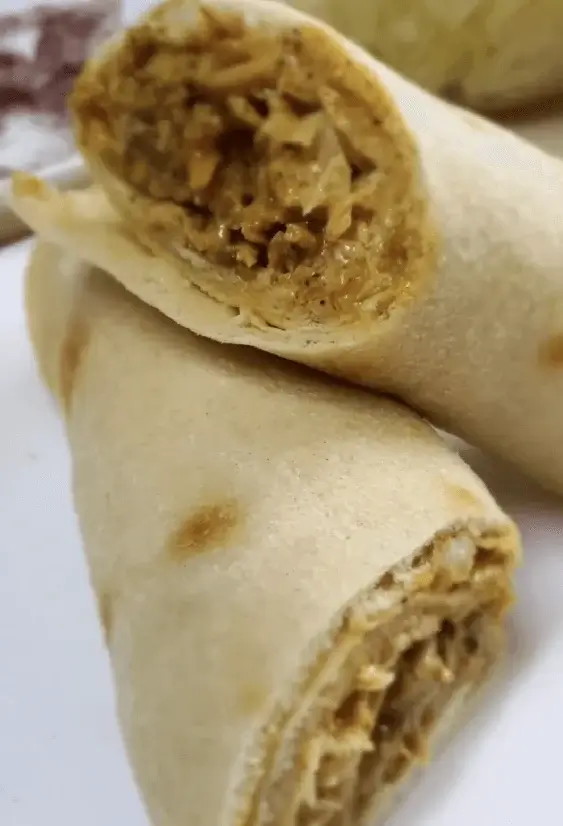
Stop Hard Laffa: Fix Common Mistakes for Fluffy Flatbread
There’s a unique magic to homemade laffa bread. Chewy, elastic, and boasting a distinctive flavor that often surpasses its pita or naan cousins, laffa has captured hearts (and palates) across the globe. Whether you first encountered it at a bustling Middle Eastern eatery or simply dreamed of creating that perfect soft flatbread at home, the journey to mastering a truly pillowy laffa can sometimes hit a snag. One of the most common frustrations? Ending up with a stiff, hard flatbread instead of the light, pliable delight you envisioned.
Fear not, fellow food enthusiasts! Crafting an authentic, soft laffa bread recipe doesn't require culinary wizardry, just an understanding of a few key principles and common pitfalls. This comprehensive guide will walk you through the nuances of making laffa bread, revealing the secrets to achieving that coveted fluffy texture every single time. Get ready to transform your kitchen into a Middle Eastern bakery and delight in the satisfaction of perfectly baked homemade laffa bread.
The Foundation of Fluffy: Mastering Your Laffa Dough
The journey to a soft laffa begins long before it hits the pan – it starts with the dough. Understanding the ingredients and their interaction is paramount for any successful how to make laffa bread recipe.
The Golden Ratio: Ingredients and Hydration
Laffa, like many flatbreads, uses surprisingly simple ingredients: flour, yeast, salt, sugar, water, and oil. However, the *proportions* and *quality* of these ingredients, especially water, are crucial. Using the correct amount of water ensures optimal hydration, which directly impacts the dough's softness and elasticity. Too little water, and your dough will be stiff and challenging to work with, leading to a denser, harder bread. Ensure your water is lukewarm (around 105-115°F or 40-46°C) to properly activate the yeast without killing it.
While specific measurements are provided in any good laffa bread recipe, always remember that flour can absorb liquid differently based on humidity and brand. Don't be afraid to adjust slightly, adding a tiny bit more flour if the dough is too sticky to handle, or a tablespoon of water if it feels too dry. The goal is a dough that is soft, slightly tacky but manageable.
The Art of the Knead: Avoiding Overmixing
Perhaps one of the most critical factors contributing to hard laffa is overmixing the dough. Kneading develops gluten, the protein network that gives bread its structure and chewiness. While some gluten development is necessary for elasticity, excessive kneading tightens this network too much, resulting in a tough, unyielding texture.
Whether you’re using a stand mixer with a dough hook or kneading by hand, the objective is the same: knead just enough for the dough to come together, become smooth, and pass the "windowpane test." To perform this test, pinch a small piece of dough and gently stretch it. If you can stretch it thin enough to see light through it without tearing, your gluten is sufficiently developed. This usually takes about 7-10 minutes with a stand mixer or 10-15 minutes by hand. Stop as soon as it reaches this point. Overworking the dough is a surefire path to a hard laffa.
Patience is a Virtue: Rising and Resting Times
Inadequate resting or rising time is another major culprit behind dense, hard laffa. Yeast needs time to work its magic, fermenting the sugars and producing gas that makes the dough rise and develop flavor. This crucial process also allows the gluten to relax, which is essential for a soft texture.
A typical laffa bread recipe calls for two distinct rising periods:
- First Rise (Bulk Fermentation): After initial kneading, the dough needs about an hour to double in size. Place it in a lightly oiled bowl, cover it, and let it rise in a warm, draft-free place. This rise develops flavor and creates an airy structure.
- Second Rest (Proofing Individual Balls): Once you've divided the dough into individual balls, allow them to rest for at least 10 minutes before rolling. This short rest is vital; it allows the gluten, which became tense during shaping, to relax. Relaxed gluten means easier rolling and a more pliable, less likely-to-tear flatbread.
From Dough to Delicious: Rolling and Cooking Secrets
Once your dough is perfectly proofed and rested, the next steps – rolling and cooking – are where the magic truly unfolds, transforming simple dough into delectable laffa.
Achieving the Perfect Thickness
When rolling out your laffa, don't worry about achieving a perfect circular shape. As the reference suggests, how it looks really doesn't matter as much as its consistency. Focus instead on achieving a relatively even and flat surface. Aim for a thickness similar to a thin pizza crust or a slightly thicker tortilla. Too thick, and your laffa might not cook through properly or become gummy. Too thin, and it might dry out quickly and become crispy rather than chewy. Use a light dusting of flour on your work surface and rolling pin to prevent sticking, but avoid using too much, as excess flour can dry out the surface of the dough.
The Sizzle Factor: Hot Pan, Quick Cook
The grilling or stovetop method is a hallmark of laffa bread, imparting a unique flavor and texture. The secret to those beautiful scorch marks and that delightful puffing lies in a *very hot pan*. Whether you're using a cast iron skillet, a griddle, or a traditional tava, ensure it's preheated over medium-high heat until it's smoking lightly. This intense, initial heat is crucial for several reasons:
- Rapid Puffing: The sudden heat causes the moisture within the dough to turn to steam, creating those characteristic air pockets and helping the laffa puff up, resulting in a light, airy interior.
- Scorch Marks: These aren't just for aesthetics; they contribute to the unique flavor profile of laffa.
- Prevents Dryness: Cooking quickly on a super-hot surface minimizes the time the bread spends exposed to heat, preventing it from drying out and becoming hard. Each side typically needs only 1-2 minutes.
Monitor closely, flipping once you see bubbles forming on the surface and the underside has developed those appealing char marks. Resist the urge to press down on the bread, as this can prevent it from puffing. For a deeper dive into stovetop techniques, explore Unlock Soft, Chewy Laffa Bread: Your Ultimate Stovetop Guide.
Common Pitfalls and How to Avoid Them
Even with the best intentions, mistakes can happen. Here are some specific issues and how to sidestep them for a consistently soft laffa.
The Flour Factor: Too Much, Too Soon
As mentioned earlier, excessive flour, especially during the kneading and rolling stages, is a common trap. While a little flour prevents sticking, too much will be absorbed by the dough, changing its hydration ratio and leading to a tough, dry product. When kneading, add flour sparingly, only when the dough is truly too sticky to handle. When rolling, use just enough to prevent sticking to your surface and rolling pin.
Overbaking: The Enemy of Softness
Just as overmixing the dough can make it tough, overbaking is a primary cause of hard laffa. Because laffa cooks so quickly on a hot surface, it's easy to leave it on for a minute too long. The goal is to cook it until it's puffed, shows good char marks, and feels cooked through but still pliable. It should not be crisp or hard when it comes off the pan. Immediately after cooking, you can stack the laffa or wrap it in a clean kitchen towel to trap steam, which helps keep it soft and pliable.
Yeast Activation: The Unsung Hero
A soft, airy laffa relies heavily on active yeast. If your yeast is old, or your water temperature is too cold (preventing activation) or too hot (killing the yeast), your dough won't rise properly. Always check the expiration date on your yeast and test it by dissolving it in warm water with a pinch of sugar. If it doesn't become foamy and active within 5-10 minutes, your yeast might be dead, and it's best to start with a fresh batch.
Enjoying Your Perfectly Pillowy Laffa
Once your laffa bread is coming off the hot pan, it's ready to be devoured! The beauty of this versatile flatbread lies in its ability to complement almost any meal. Serve it traditionally with creamy hummus, a vibrant chopped salad, or a rich baba ghanoush. It's the perfect vehicle for wrapping grilled meats like kebabs and shawarma, creating delicious sandwiches, or simply enjoyed on its own. For a simple yet satisfying treat, some even slather leftover pieces with peanut butter!
Don't let any of your hard work go to waste. If you've made a large batch (a typical recipe yields about 12 servings), remember you can easily freeze half the dough after its first rise. Simply place it in a heavy-duty Ziploc bag, squeezing out any air. When ready to use, thaw completely in the refrigerator, then bring to room temperature, separate into individual balls, and proceed with the second resting and rolling steps. This ensures you always have fresh, fluffy laffa on hand.
Conclusion
Achieving perfectly soft and fluffy laffa bread is a deeply rewarding culinary experience. By understanding and avoiding common mistakes like overmixing the dough, using too much flour, rushing the rising and resting times, and overbaking, you'll consistently produce an authentic flatbread that rivals any you'd find in the Middle East. Remember, the journey to mastering any recipe is one of practice and patience. Embrace the process, pay attention to the dough's cues, and soon you'll be enjoying homemade laffa bread that is tender, chewy, and utterly delicious. Happy baking!
